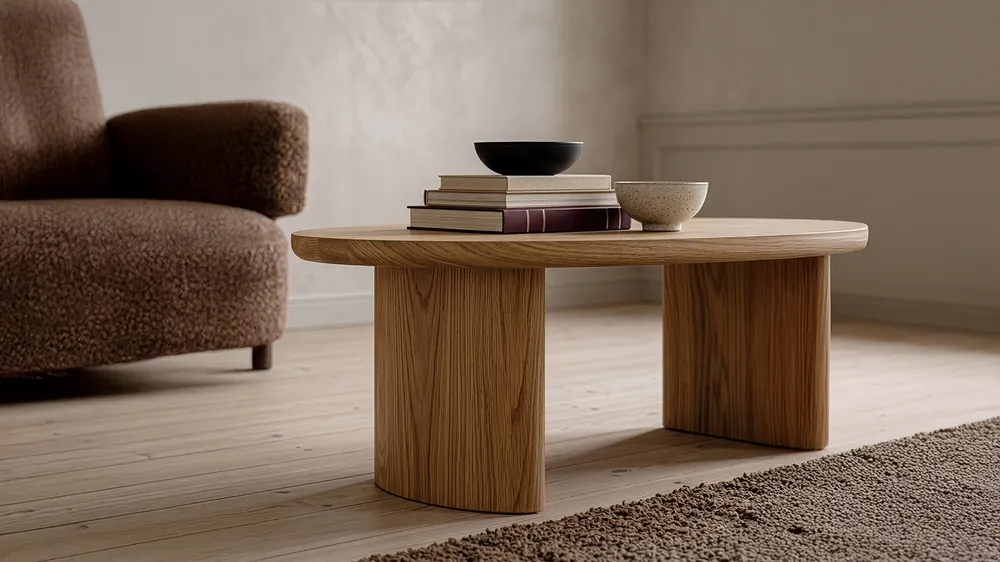
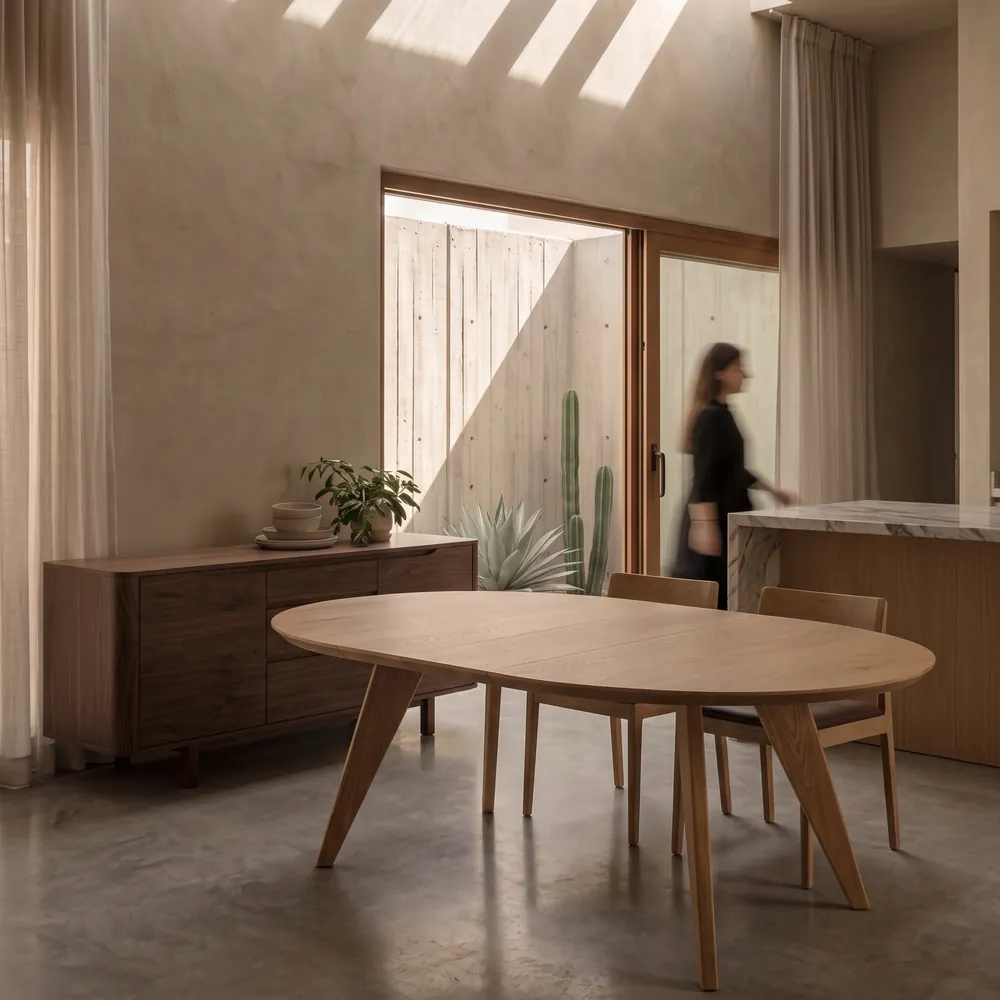
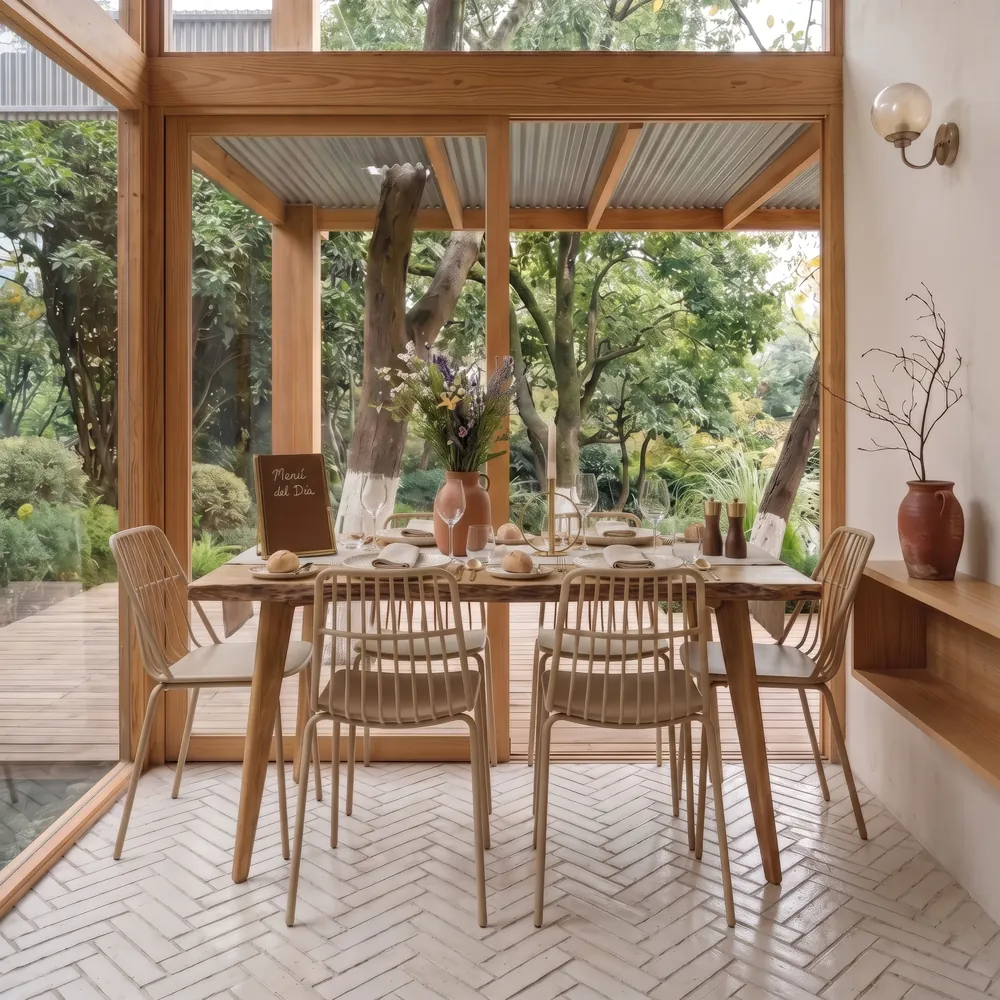
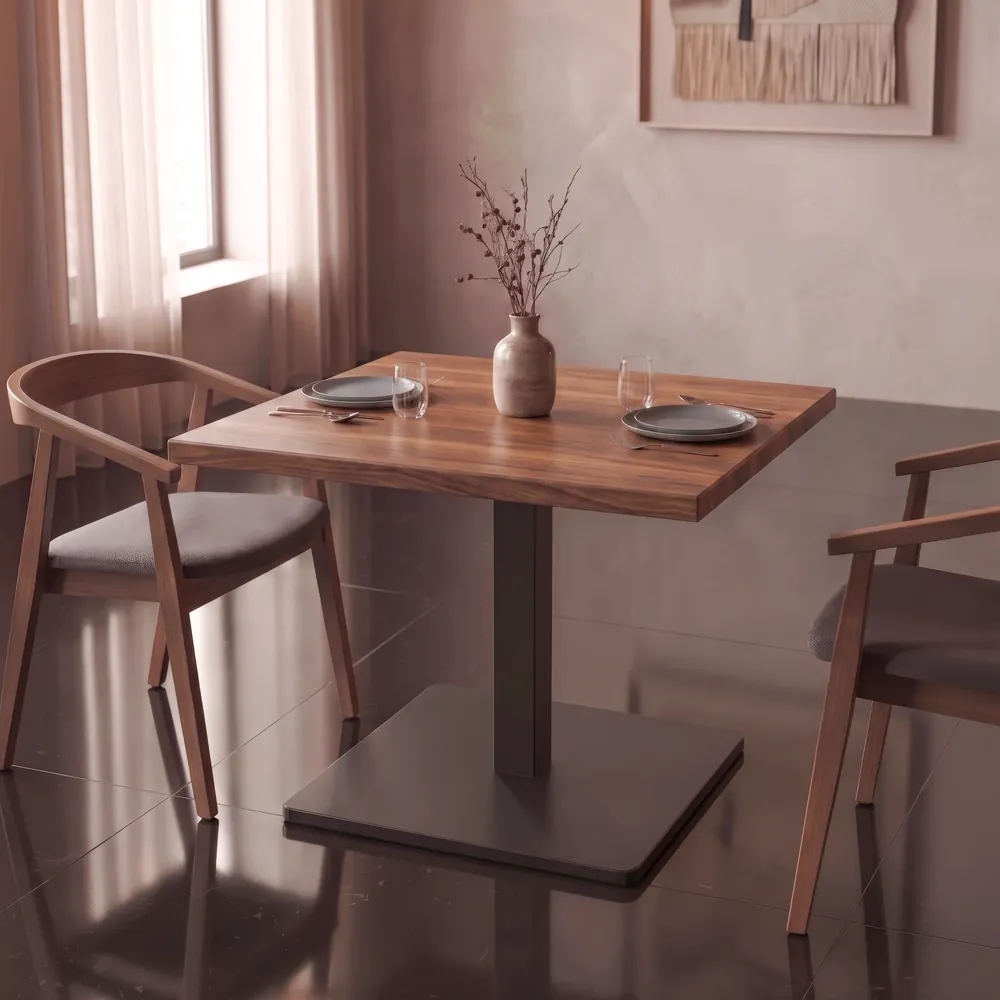
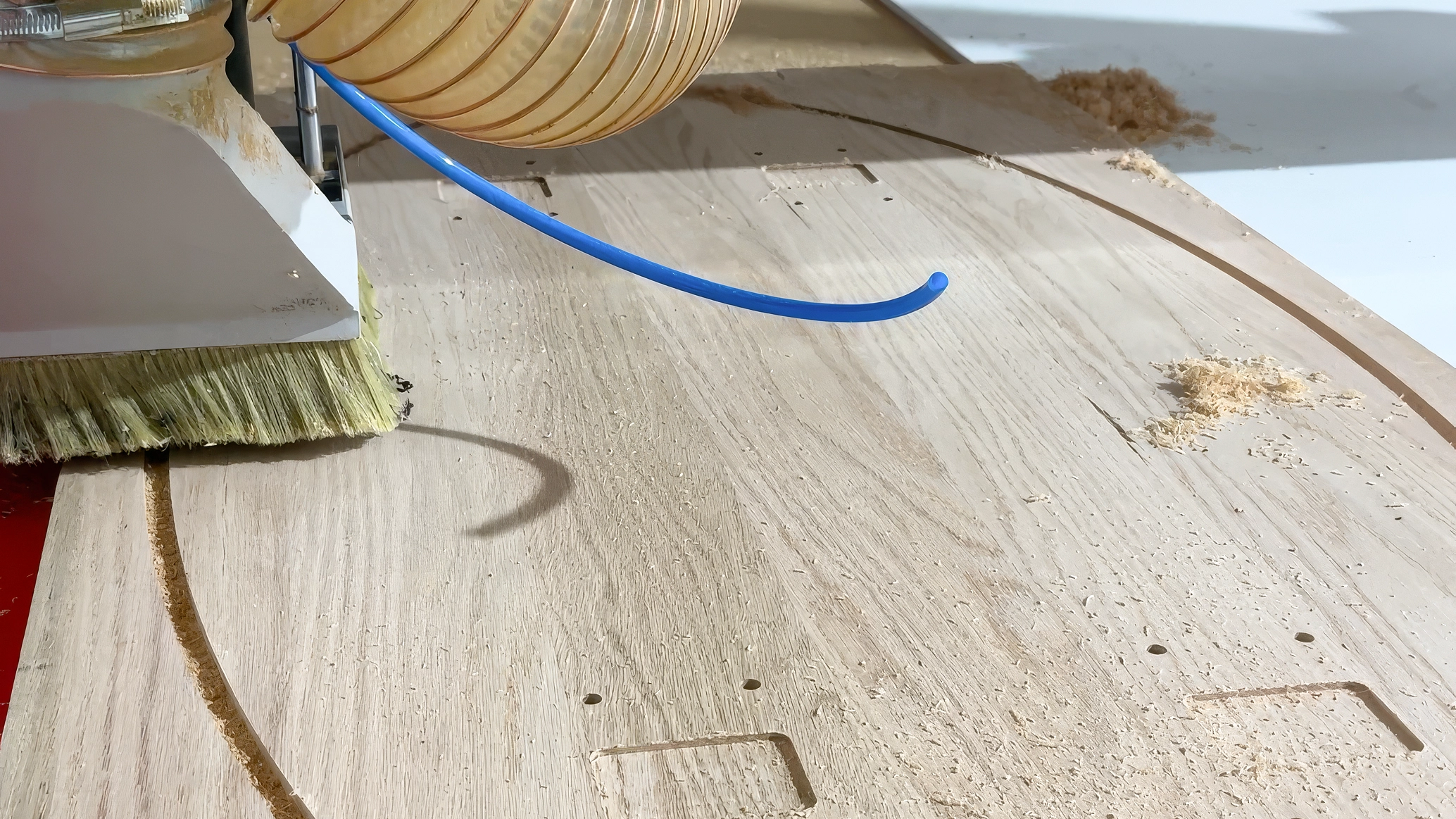
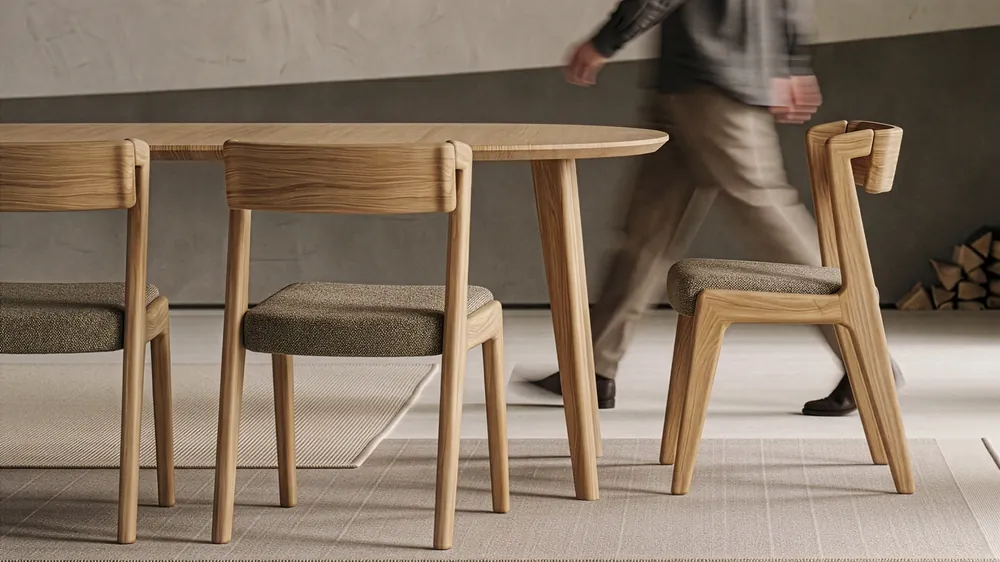
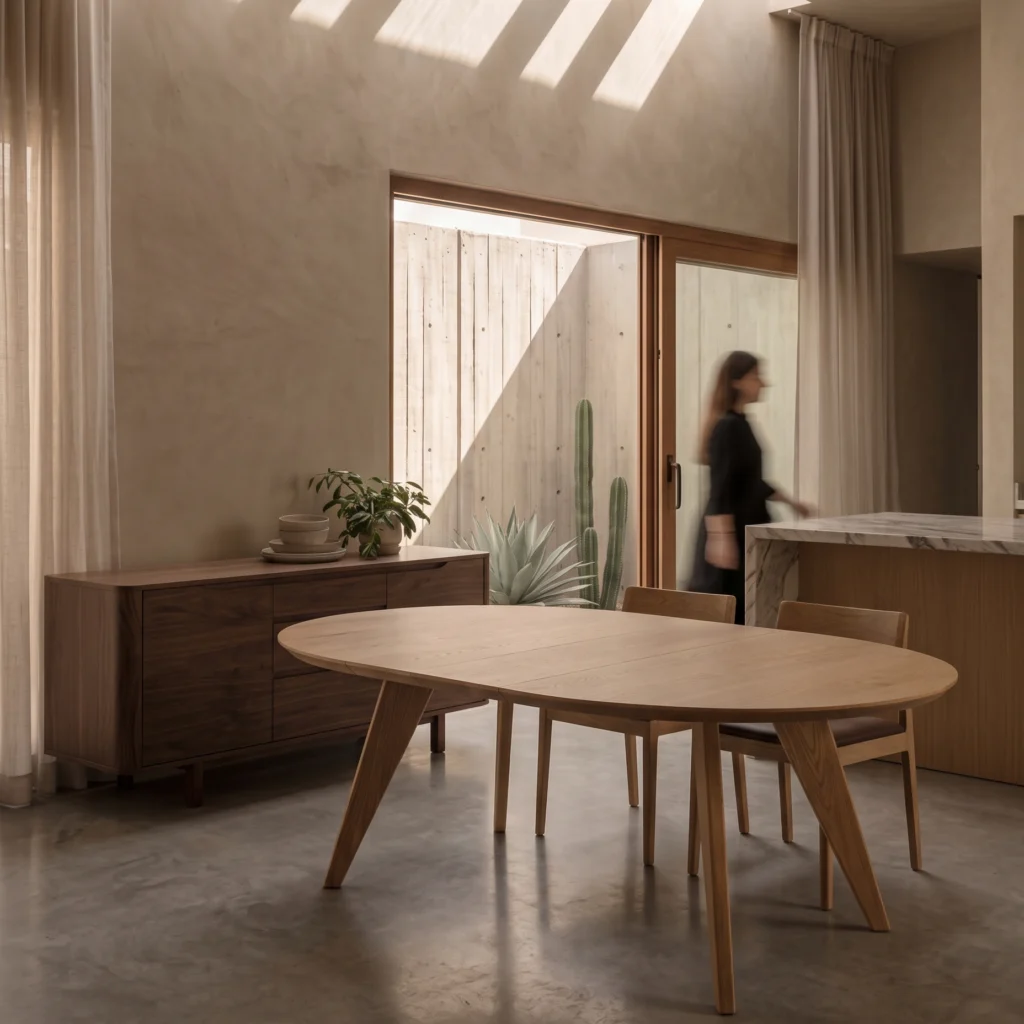
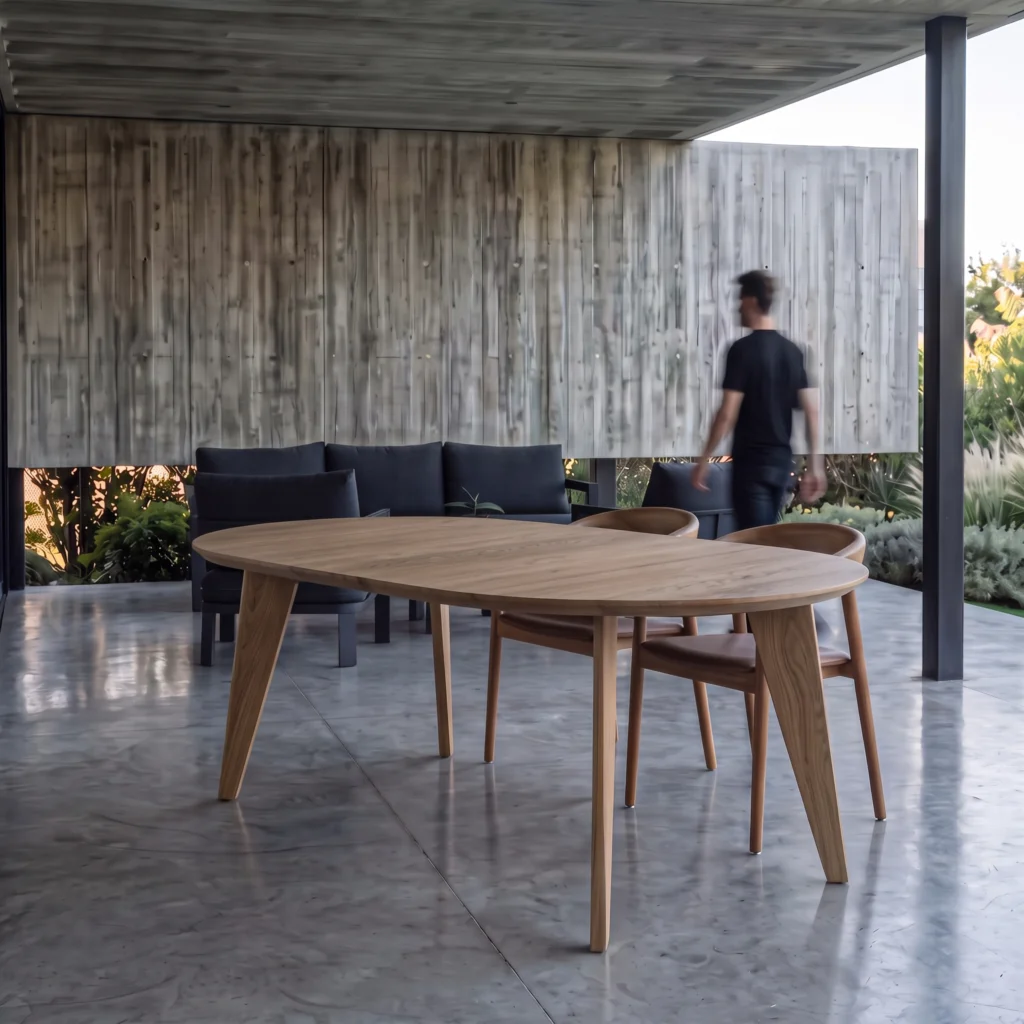
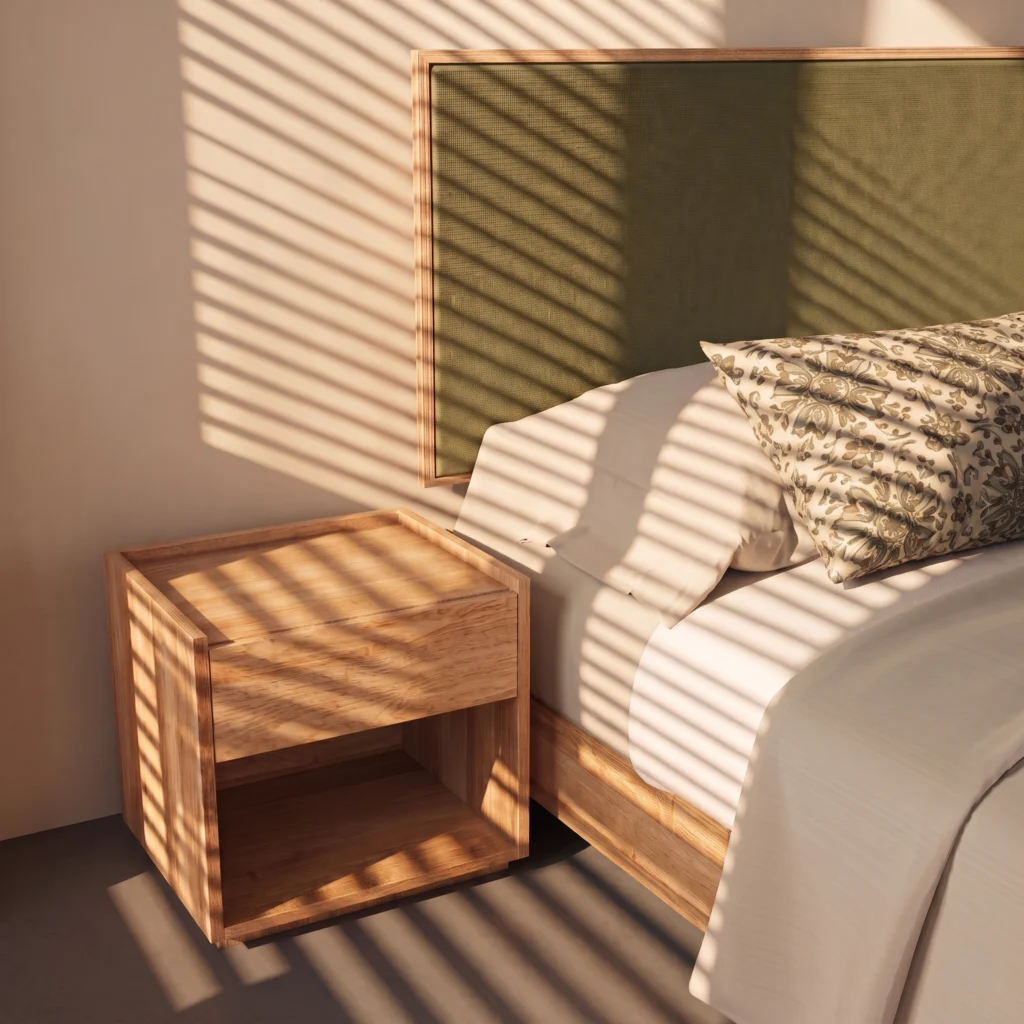
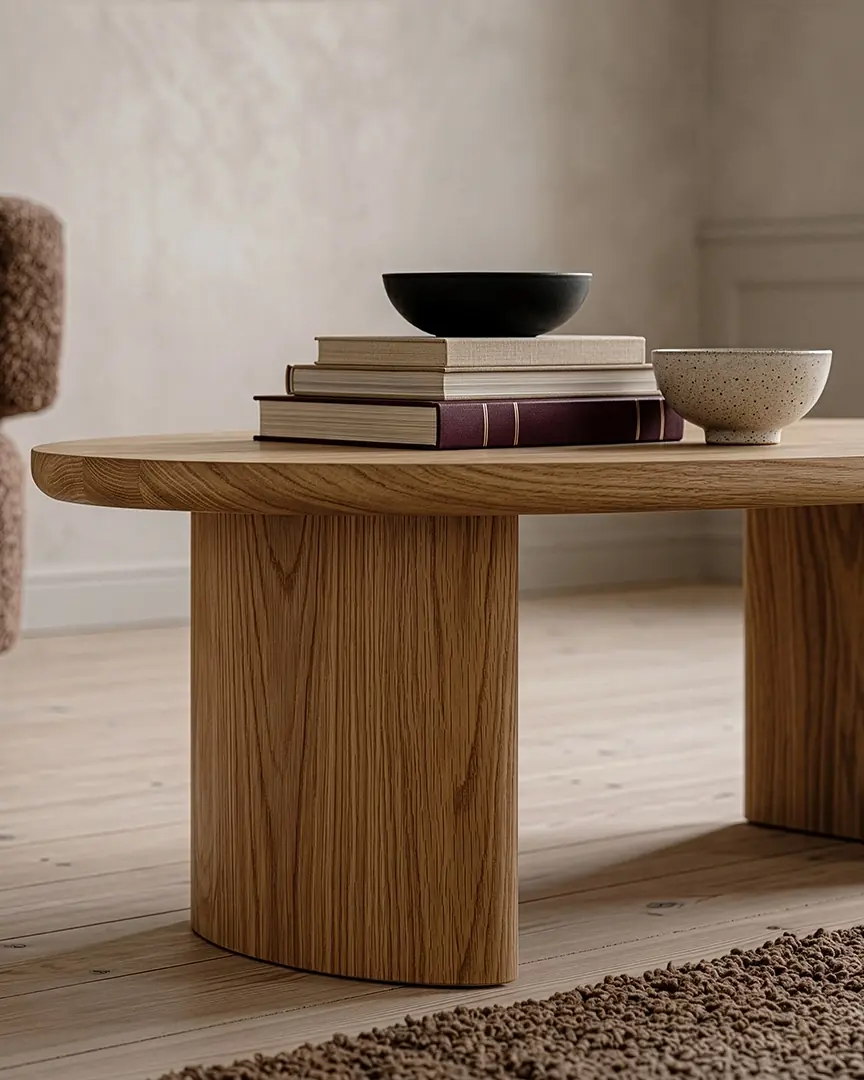
Technology does the rough work, but craftsmanship puts the finishing touches on the piece. That’s how we summarize how we combine CNC machining with the handcrafted work in our workshop in Granada: the machine provides the precision, and human hands provide the final finish.
In this article, we explain what technology we use, what types of parts we can manufacture, what materials we work with, and when it makes sense to opt for CNC machining rather than manual cutting.
We use a multi-head system that allows us to cut, drill, and engrave in a single cycle. This ensures precise dimensional consistency and strict control over cutting tolerances—something that is very difficult to maintain on a piece-by-piece basis using exclusively manual methods.
Why Dimensional Consistency Matters
When a project requires multiple identical parts—for example, several panels for a lattice or several modules for the same piece of furniture—even the slightest variation between parts becomes noticeable when they are assembled. CNC machining eliminates that margin of error between units.
What Can We Manufacture Using CNC?
Complex 2D and 3D Geometries
Shapes that would not be feasible or cost-effective to produce by hand, while maintaining the same precision with every repetition.
Cutouts and recesses for concealed hardware
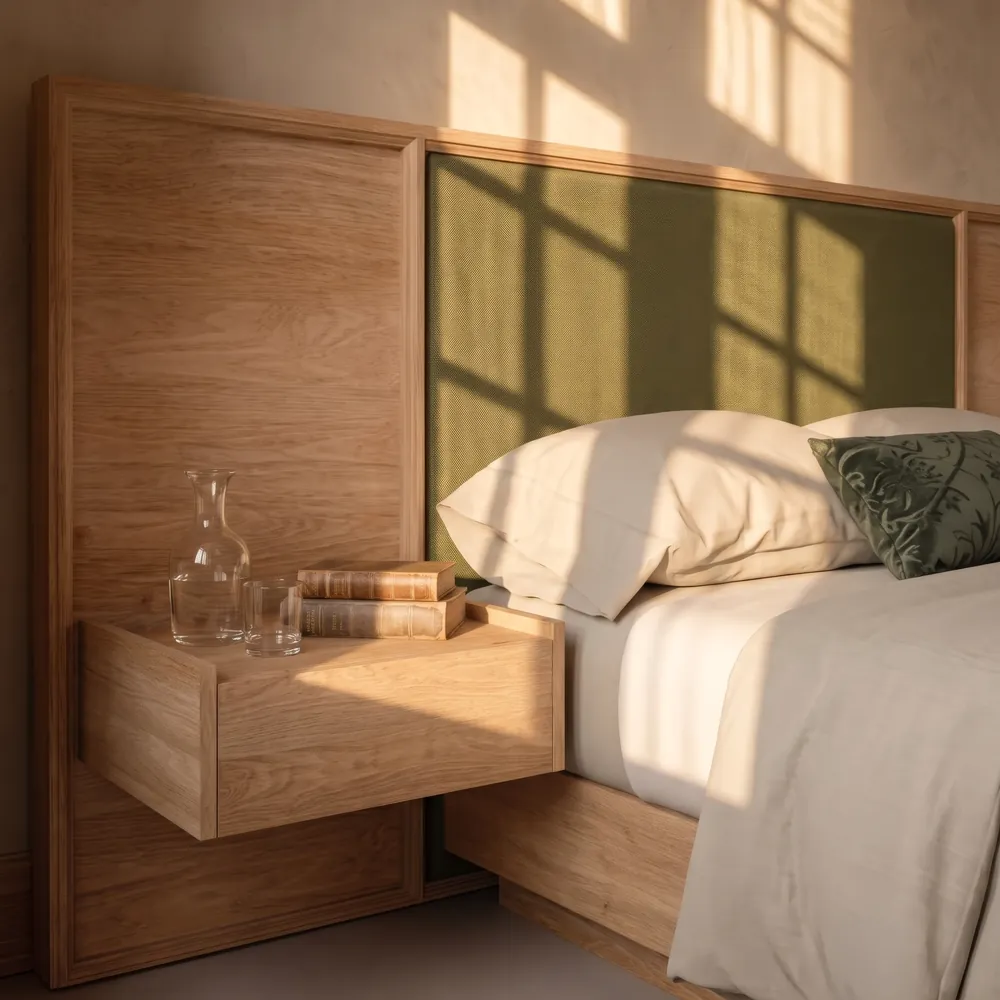
Precise preparation ensures that the hardware is seamlessly integrated into the piece, invisible from the outside—the key to the clean finish we strive for in all our furniture.
Architectural Lattices and Paneling
Pieces with repetitive patterns or organic textures that require millimeter-level precision in every element so that the whole fits together without any visible deviations
Materials We Process
material
Common use
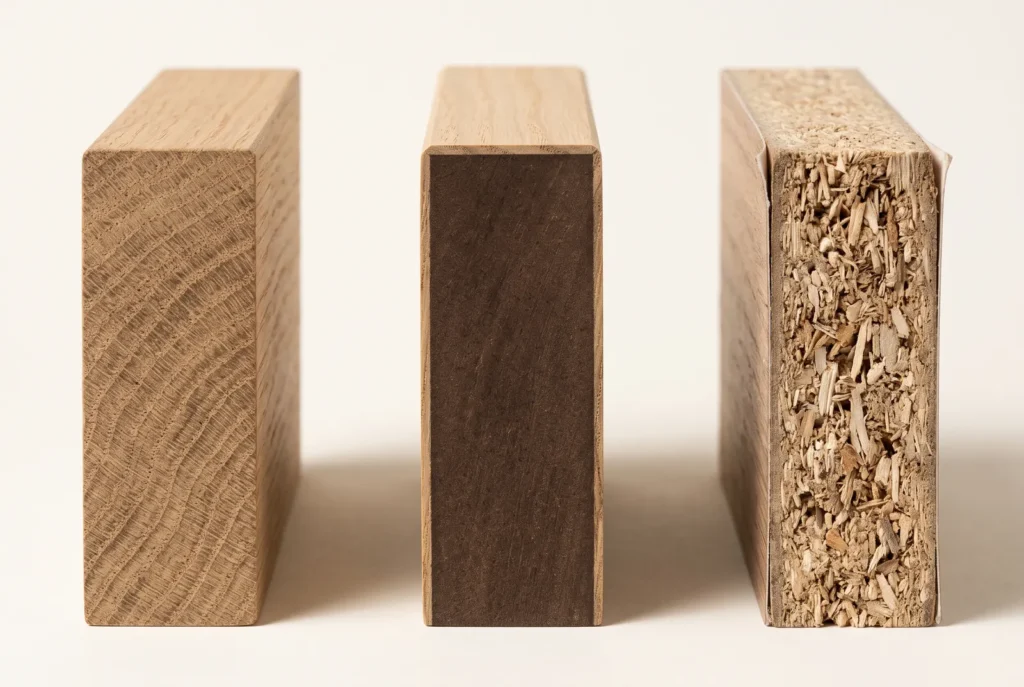
Solid wood (mainly oak)
Furniture and structural components
Phenolic plywood
High-Traffic Projects
High-density DM
Decorative pieces and moldings
PVC and Engineering Polymers
Specific Technical Solutions
Technology cuts the material; craftsmanship finishes the piece
The CNC handles the parts that require repeatability and precision. But the sanding, fine-tuning, and finishing are still done by hand in our workshop. It’s neither entirely manual nor entirely machine-driven: each piece goes through both phases before it’s considered finished.
When Does It Make Sense to Order CNC Machining?
When the design includes complex geometries that cannot be created by hand
When you need multiple identical parts with millimeter-level precision between them
When the hardware needs to be completely hidden
When a project combines different materials (wood, phenolic, MDF, polymers) that require the same level of precision
In both cases. The advantage of precision is greater when there are multiple parts that must fit together, but it is also used for single parts with complex geometries.
Usamos cookies técnicas para que la tienda funcione y, solo si lo aceptas, cookies de análisis para mejorar la web
Funcional
Always active
El almacenamiento o acceso técnico es estrictamente necesario para el propósito legítimo de permitir el uso de un servicio específico explícitamente solicitado por el abonado o usuario, o con el único propósito de llevar a cabo la transmisión de una comunicación a través de una red de comunicaciones electrónicas.
Preferencias
El almacenamiento o acceso técnico es necesario para la finalidad legítima de almacenar preferencias no solicitadas por el abonado o usuario.
Estadísticas
El almacenamiento o acceso técnico que es utilizado exclusivamente con fines estadísticos.El almacenamiento o acceso técnico que se utiliza exclusivamente con fines estadísticos anónimos. Sin un requerimiento, el cumplimiento voluntario por parte de tu proveedor de servicios de Internet, o los registros adicionales de un tercero, la información almacenada o recuperada sólo para este propósito no se puede utilizar para identificarte.
Marketing
El almacenamiento o acceso técnico es necesario para crear perfiles de usuario para enviar publicidad, o para rastrear al usuario en una web o en varias web con fines de marketing similares.